
Blog
Who Is Liable for a Car Accident Caused by a Defective Tire?
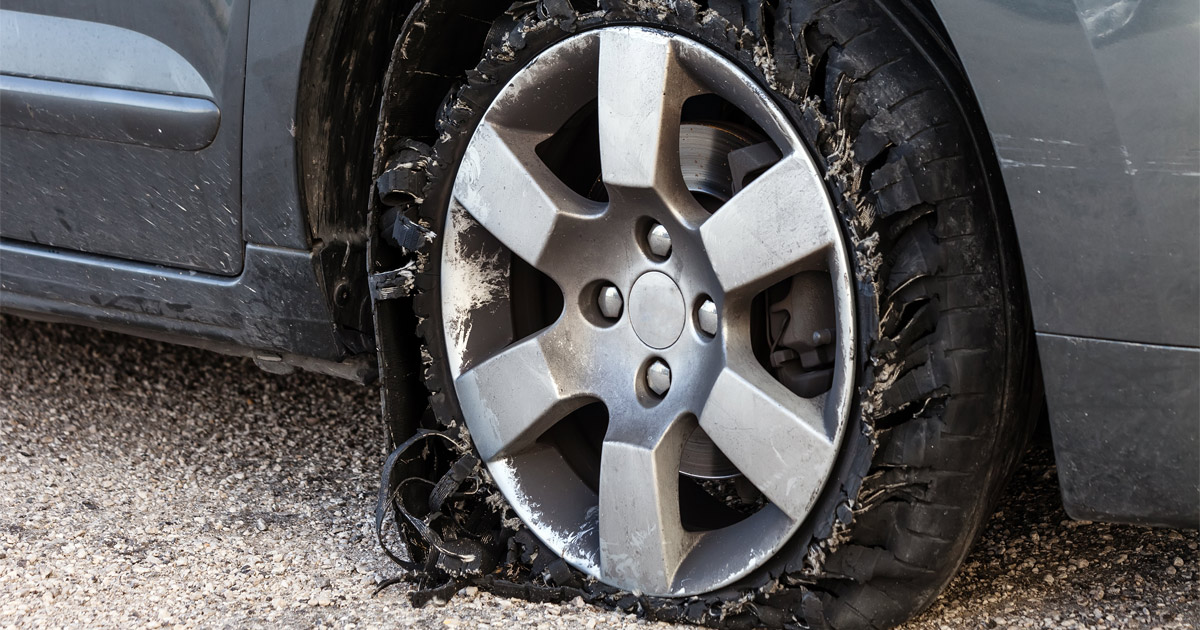
Tire defects might be undetectable, but when they cause blowouts and other unexpectedly dangerous events, the results can be devastating. If a defective tire causes Car Accident, determining liability involves examining multiple parties in the chain of manufacturing, distribution, and maintenance. Things can get complicated for claimants, but our legal team can guide you through the process and fight to protect your rights.
What Makes a Tire Defective?
Common tire defects include tread separation, sidewall failures, bead failures, and blowouts. These issues can occur suddenly, giving drivers little time to react, particularly at highway speeds.
A tire can be considered defective for various reasons:
- Manufacturing flaws might include improper rubber curing, inadequate inspection, or using substandard materials.
- Design defects occur when the tire design itself is fundamentally unsafe, even when manufactured correctly.
- Sometimes tires leave the factory in good condition but become dangerous due to improper storage or handling by distributors or retailers.
Who Can Be Held Responsible for Accidents Caused by Defective Tires?
Multiple parties might bear responsibility for a defective tire accident:
- The tire manufacturer bears primary responsibility for designing and producing safe tires. Major tire companies have a duty to test their products thoroughly and maintain quality control.
- Distributors and retailers must store and handle tires appropriately. Improper storage can lead to degradation before the tire even reaches your vehicle.
- Vehicle manufacturers who select tires as original equipment on new vehicles share responsibility if they choose inappropriate or low-quality tires.
- Maintenance providers might be liable if they failed to spot visible tire defects during routine service or improperly installed or repaired tires.
- Vehicle owners might share some responsibility if they neglected obvious tire damage or failed to maintain proper inflation.
How Do I Prove That a Tire Defect Caused My Accident?
The physical tire evidence is critical, so preserve the damaged tire and all related components. Avoid letting anyone modify or discard these items. Accident scene documentation, including photographs of skid marks, vehicle position, and road conditions, can also provide compelling evidence. Maintenance records demonstrating that you properly maintained your vehicle are also important, as they can help counter arguments that negligence caused the tire failure. Witness statements from those who observed the accident or the tire condition before the crash might strengthen your case, too.
What Legal Theories Apply to Defective Tire Cases?
Defective tire claims typically proceed under product liability law, which provides several legal bases for recovery:
- Strict liability holds manufacturers responsible for defective products regardless of how careful they were in production. You must prove the tire was defective when it left the manufacturer, and the defect caused your injuries.
- Negligence claims require showing the tire maker or another party failed to exercise reasonable care in making, distributing, or selling the tire.
- Breach of warranty claims argue the tire failed to meet express or implied promises about its performance and safety.
Contact an Experienced Capitol Hill Car Accident Lawyer at the Law Offices of Duane O. King After a Crash Caused by a Defective Tire
If you or a loved one was injured in an accident involving a defective tire, time is of the essence. A seasoned Capitol Hill car accident lawyer at the Law Offices of Duane O. King offers legal representation for people injured due to defective tires and other automotive components. For a free consultation, call our Washington, D.C., National Harbor, Maryland, or Falls Church, Virginia office at 888-740-KING (5464) or submit our online form. We proudly serve clients in Prince George’s County, including Laurel, Beltsville, Adelphi, College Park, Greenbelt, Mitchellville, Woodmore, Greater Upper Marlboro, Springdale, Largo, Bowie, Capitol Heights, District Heights, Forestville, Suitland, Seat Pleasant, Clinton, Oxon Hill, Temple Hills, and Fort Washington.